It’s Ur flip newsletter - february 2026
Why Most Flips Don’t Sell Over Asking
When I first started flipping houses, I quickly realized something that most investors completely overlook: buyers don’t purchase houses—they purchase the feeling of living in them. My first flips weren’t perfect, but they still sold above market, and it happened because I understood how buyers think.
I remember getting a voicemail from my mentor before he took me on as a mentee... right after I bought a first project from him. He had gone to see my newley completed flip, and very quicky I realized he hadn’t intended to leave me a voicemail; he thought he was leaving it for his assistant.
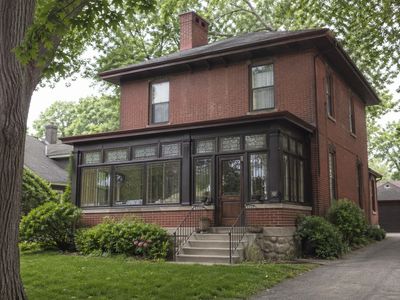
In that voicemail he made fun of me, picked apart my renovation, expressed his feelings that I would not be around much longer. The next day my project with the high ceiling enclosed porch and designer fan, the built in gas firelace, the new dormer with loft and the double masters went under contract for $28K over what any other house in that neighborhood had ever sold for.
He took me on and proceeded to spend hours with me, grooming me for the business, sharing horror stories and how to’s, and we proceeded to have a long mutually beneficial relationship--he became my wholesaler, offering me the projects his other clients didn’t want.
Most flippers, like my mentor, focus almost entirely on the renovation itself. They worry about finishes, costs, and timelines, but they miss the one thing that actually drives higher offers: emotional connection. My mentor did great work, don’t get me wrong--he took great pride in massaging every detail, but when you waked into one of his homes, he left his mark: they all had exactly the same finishes, lighting, kitchen cabinets and appliances.
When a buyer walks into a home, they are not analyzing it the way an investor does. They’re imagining their life there. They’re picturing where their couch will go, how they’ll cook in the kitchen, where they’ll drink their morning coffee, and how the space will feel at the end of a long day.
If your property doesn’t help them see that, it becomes just another house on the market.
That’s why simple design choices make such a powerful difference. Something as basic as using one calming, consistent paint color throughout the home creates flow. It makes the space feel larger, more cohesive, and more peaceful. It removes friction from the buyer’s experience without them even realizing it.
When you combine that with intentional layout, thoughtful details, and a sense of lifestyle built into the home, something shifts. Buyers stop comparing your property to others. Instead, they start imagining themselves in it.
And when that happens, you’re no longer competing on price. You’re creating demand.
That’s the difference between a flip that sells… and one that sells over asking.

why most flips don’t sell over asking
The $10K-$10K Most Flippers Leave on the Table
One of the biggest misconceptions in real estate investing is the idea that your flip has to be the nicest house in the neighborhood to command a higher price. But that couldn’t be further from the truth.
In my experience, your property simply needs to be better than about eighty percent of the competition. That’s a much more attainable—and much more strategic—goal. Buyers typically look in very specific neighborhoods. When they’re shopping, they often tour several homes in a short period of time. This creates an immediate side-by-side comparison, whether they realize it or not.
So the question isn’t whether your home is perfect. The question is whether it stands out.
What I discovered early on is that standing out has very little to do with spending more money and everything to do with creating the right experience, the right atmosphere and the right feeling.
A well-designed kitchen doesn’t just look good—it feels functional to someone who enjoys cooking. A clean, organized garage with a workbench speaks directly to buyers who value practicality. A bonus room opens the door to possibility, whether that becomes a home office, a playroom, or a personal retreat.
And then there are the smaller, often overlooked details that make a home memorable. A reading nook, a window seat, a quiet corner for morning coffee—these are the elements that create emotional impact. They give buyers something to connect to.
In a market full of similar homes, those connections matter more than most investors realize. They’re often the tipping point in a buyer’s decision. When your property creates that kind of response, it stops being just another option. It becomes the one they don’t want to lose.
And that’s where the extra $10,000 to $20,000 comes from.
.png/:/rs=w:400,cg:true,m)
why most flips don’t sell over asking
Priced Right = Quick To Go Under Contract
Over the years, I’ve had more than one realtor tell me the same thing: “Homes in this neighborhood don’t sell for that price.” They were confident in what they knew. They understood the comps, the trends, and the history of the area. And yet, time after time, my properties sold for more.
Not only that, but they typically went under contract within two weeks, a sign that they were priced right. That kind of consistency isn’t accidental. It comes from understanding something deeper than numbers.
Most investors approach flipping as a financial exercise. They focus on acquisition price, rehab costs, and resale value. All of that matters, of course—but it’s not what ultimately drives buyer behavior.
Buying a home is an emotional decision first, and a logical one second. When someone walks into a property that feels thoughtfully designed, where everything flows naturally and every space has a purpose, it creates an immediate sense of ease. The home doesn’t feel like a project. It feels complete.
That feeling reduces hesitation and shortens decision-making time, and in many cases, it creates urgency. I’ve seen it happen repeatedly. Buyers walk into a home and, within minutes, they know it’s different. They can see themselves living there, and they don’t want to risk losing it to someone else.
That’s when offers come in quickly. That’s when price becomes less of a barrier.
Looking back, what made the biggest difference in my results wasn’t just the work I put into the properties. It was the way those properties made people feel.
When you understand that—and build your projects around it—you stop chasing the market.
You start outperforming it.